Index Insurance
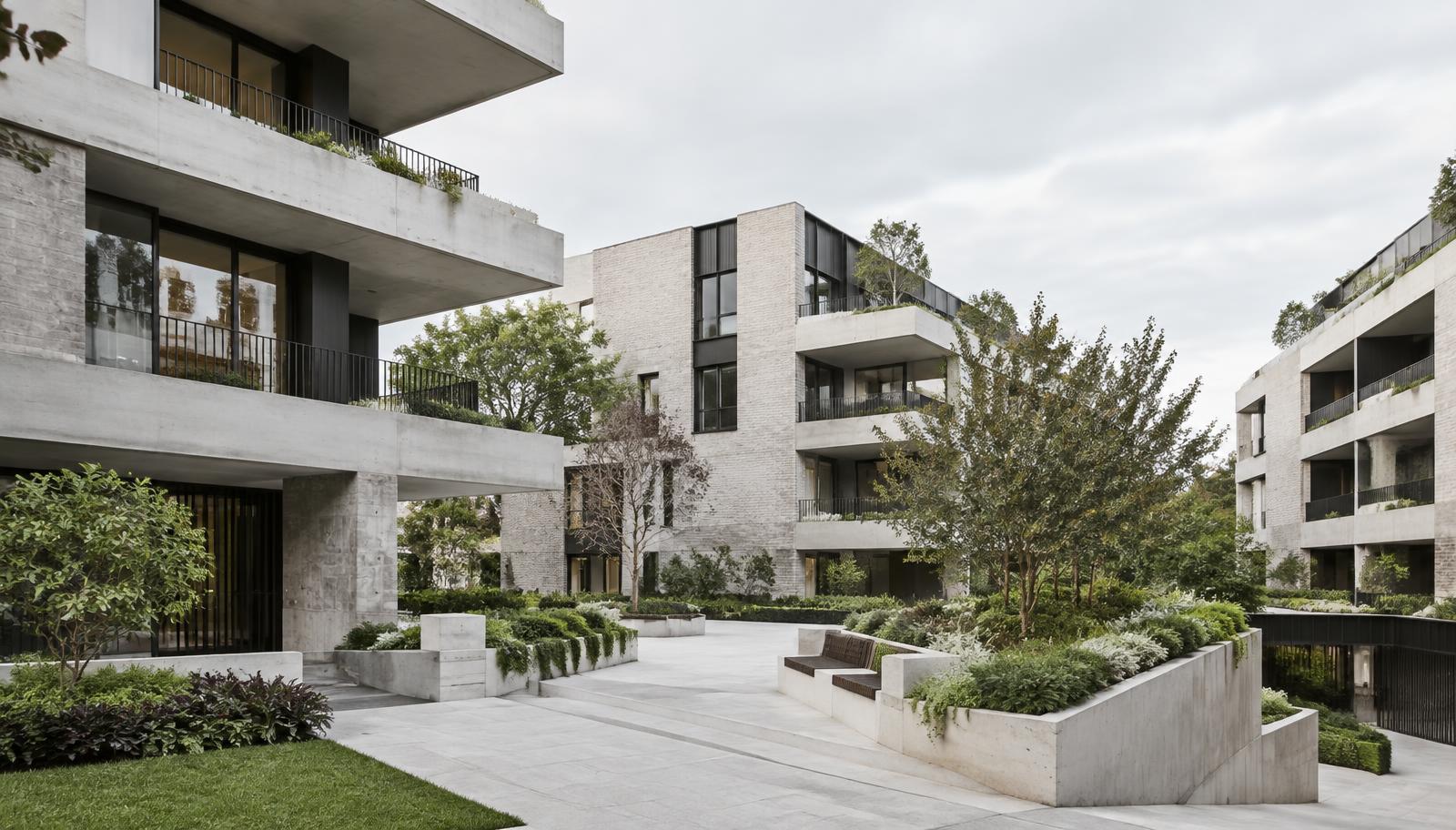
Completed Australian multi-residential architecture

Australian Market

Building protection is changing in Australia.

The regulatory position differs by jurisdiction. Building Protection Insurance can also have a role where long-term latent defect protection is not mandated.

Every step, covered.

Jurisdiction overview

Current approaches.

Australian governments are strengthening long-term protections for apartment owners and increasing the emphasis on building quality, defect prevention and earlier rectification.

Building Protection Insurance may be described in legislation as decennial insurance or latent defects insurance. Requirements, approval pathways and commencement points vary by jurisdiction.

01

New South Wales

NSW has an operative statutory framework allowing qualifying decennial insurance to be used as an alternative to the strata building bond for eligible developments. An insurance product must meet the statutory requirements and be in a form acceptable under the NSW framework. Index's proposed NSW policy is not currently approved under that framework.

View NSW Government information
02

Victoria

Victoria has legislated a statutory decennial insurance framework. Under that framework, decennial insurance products are subject to approval by the Building and Plumbing Commission before being offered as statutory DLI. Index's proposed Victorian policy has not received that approval.

View Victorian Government information
03

Australian Capital Territory

The ACT has introduced a property developer licensing and accountability framework. Latent defects insurance may be relevant within that framework, but it is not currently a general mandatory requirement.

View ACT Government information
04

Rest of Australia

Building Protection Insurance may have value even where there is no statutory decennial insurance requirement. The model can provide long-term protection and support technical risk management, particularly for complex projects, build-to-rent and buildings intended for long-term ownership.

This overview is general only. Applicable legislation, regulations, approvals and final policy terms determine whether a product satisfies a particular statutory framework.

The national picture

An Australian model is taking shape.

Australia does not yet have a single national model for Building Protection Insurance. New South Wales, Victoria and the ACT are taking different approaches, with different legislation, approval processes and policy requirements.

The common direction is stronger long-term protection for building owners, greater accountability for building quality and increased use of insurance and technical evidence to manage latent defect risk. This creates an emerging national market, but one that will continue to require jurisdiction-specific products and processes.

The Australian approach is unlikely to be a direct copy of overseas decennial insurance systems. It is developing around Australian building regulation, the National Construction Code, state-based defect regimes and the existing responsibilities of developers, builders, designers and certifiers.

01

Long-term insurance protection

Protection for specified latent defects over the insured period.

02

Technical inspection during design and construction

Independent technical evidence to support underwriting and defect-risk management.

03

Existing building regulation

Statutory certification, building regulation and practitioner responsibilities continue to operate separately from the insurance.

Building Protection Insurance does not replace statutory certification or existing construction responsibilities.

What happens next

The market is still developing.

The Australian market will continue to evolve as governments, insurers and the construction sector work through:

  • Final policy and approval requirements
  • The interaction between insurance and existing defect regimes
  • Technical Inspection Service standards and capacity
  • Insurer and reinsurance capacity
  • Defect definitions and insured building-element scope
  • The collection of Australian claims and defect data