Index Insurance
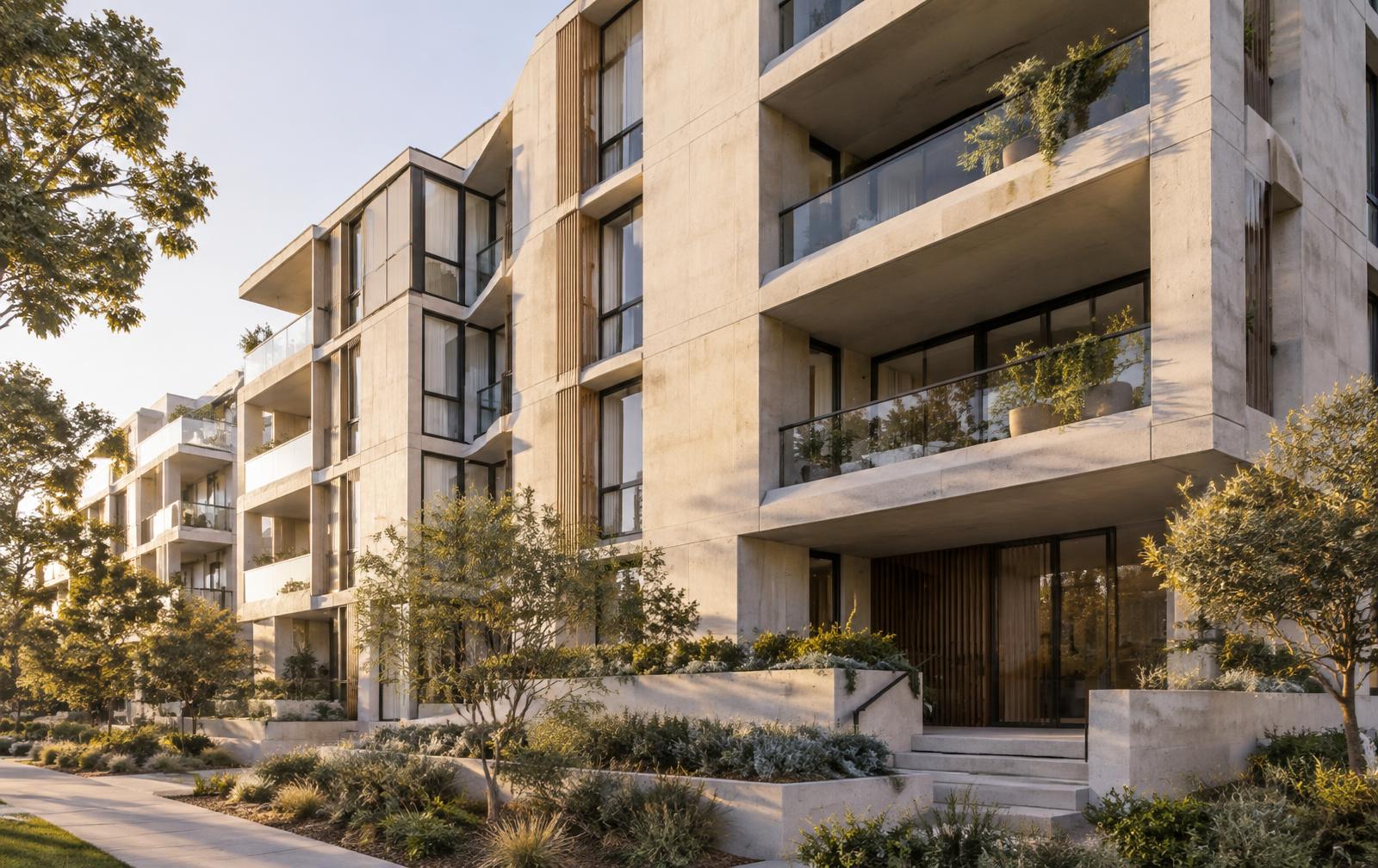
High-quality contemporary Australian multi-residential architecture

Index Insurance

Building Protection for complex projects.

Index Insurance is developing long-term Building Protection Insurance for the Australian market. Our proposed approach combines insurance with disciplined underwriting, experienced technical inspection and project-specific defect risk management during design and construction.

Every step, covered.

The product

Long-term protection against latent defect risk.

Building Protection Insurance is Index's term for long-term insurance designed to respond to specified latent defects in insured building elements after occupation. Similar forms of cover are commonly known as latent defects, inherent defects or decennial insurance.

Why it exists

Contract works insurance principally protects against insured risks during construction. Property insurance generally responds to specified events after occupation. A latent defect sits between these two. It may arise from design, materials or workmanship during construction, remain hidden when the building is occupied, and only become apparent years later.

Building Protection Insurance is intended to provide long-term protection against that risk.

Core principles

01

Ten-year protection

Long-term protection for the period stated in the final policy, with statutory decennial insurance generally providing a ten-year period. The purpose is to protect against latent defects that may not become apparent until well after construction is complete and the building has been occupied for some time.

02

First resort

A beneficiary can make a claim directly under the policy without first having to establish negligence or pursue the builder, developer or another construction participant. This is intended to provide a more direct claims pathway where an insured defect emerges. The defect or loss must still fall within the policy's insured scope and satisfy its terms, limits, exclusions and conditions.

03

Defined building elements

The proposed insurance focuses on specified building elements rather than every part of the building. The intention is to protect against significant latent defects in the principal systems and components that affect the building's structure, integrity and operation:

  • Structure
  • Waterproofing
  • Building enclosure
  • Fire safety
  • Building services

The final insured scope will be determined by the policy wording and applicable jurisdiction.

04

Protection linked to the building

The proposed product is intended to provide continuing protection for relevant beneficiaries of the insured building during the policy period, subject to the final policy and applicable jurisdiction. This is intended to preserve the benefit of the insurance even where ownership or other parties associated with the building change over time.

Defined building elements in detail

Structure
Including foundations, footings, floors, walls, roofs, columns and beams.
Waterproofing
Including waterproofing and damp-proofing systems intended to prevent unintended water or moisture penetration.
Building enclosure
Including roofs, external walls, windows and doors separating the building interior from the external environment.
Fire safety
Including fire resistance, compartmentation, detection and alarm, suppression and smoke hazard management systems.
Building services
Including mechanical, plumbing and electrical services, together with lifts, escalators and other permanently installed machinery used to move people, vehicles or goods.

The Index approach

Understand the risk before insuring it.

Insurance is only part of the model. Index's proposed approach considers the project as a whole: the developer and builder, the design, the quality systems and controls behind the project, and the technical risks within the building.

The aim is to understand not just what could go wrong, but how effectively those risks are being managed during design and construction, and what evidence supports that assessment before long-term cover begins.

01

Experienced technical inspection

Independent technical review matched to the characteristics and risks of the building. Where effective developer and builder quality systems already exist, technical inspection should understand and test those systems rather than unnecessarily duplicate them.

02

Project-specific defect risk management plan

A tailored plan identifies the material defect risks, controls, technical review and evidence requirements for the particular building. The level of review should follow the risk.

03

A complete building record

A structured record preserves relevant technical evidence, material findings and issue resolution. This matters because latent defects may emerge years later. The owner then has clearer evidence of what was reviewed, what was identified and what was resolved.

Our team

Experienced Australian leadership.

Stewart Ball

Director, APAC

Stewart has more than 25 years' experience in construction risk, builders warranty insurance, finance and governance. He has advised and managed Australian home warranty schemes, served as CFO of a major construction and property development business and worked as Commercial Manager for a Tier 1 builder.

Ian Faragher

Chair, Advisory Board

Ian has more than 30 years of senior insurance experience across Chubb, Liberty Mutual and Lloyd's. His roles have included Chairman and Managing Director of Lloyd's China and Chair of the ACT Insurance Authority.